

Description
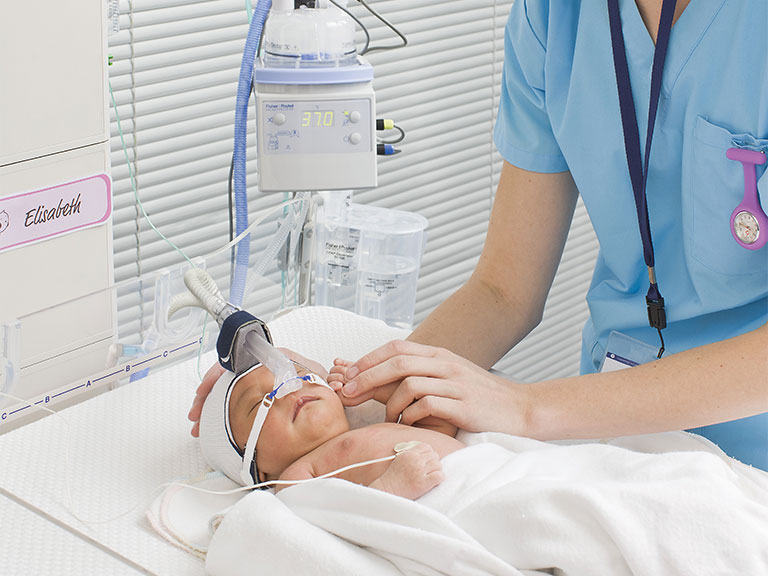
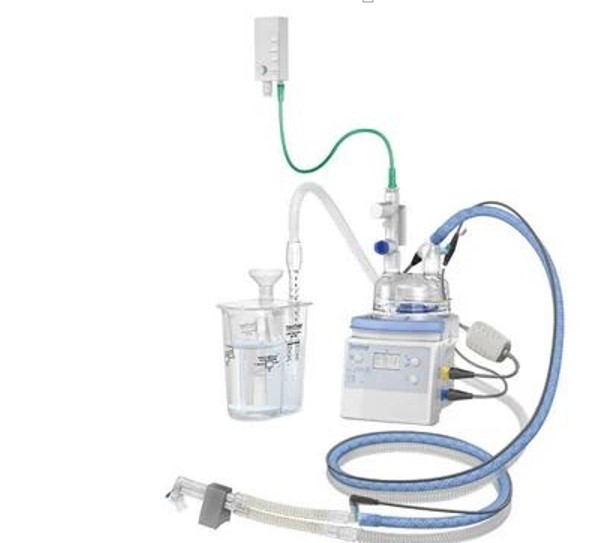
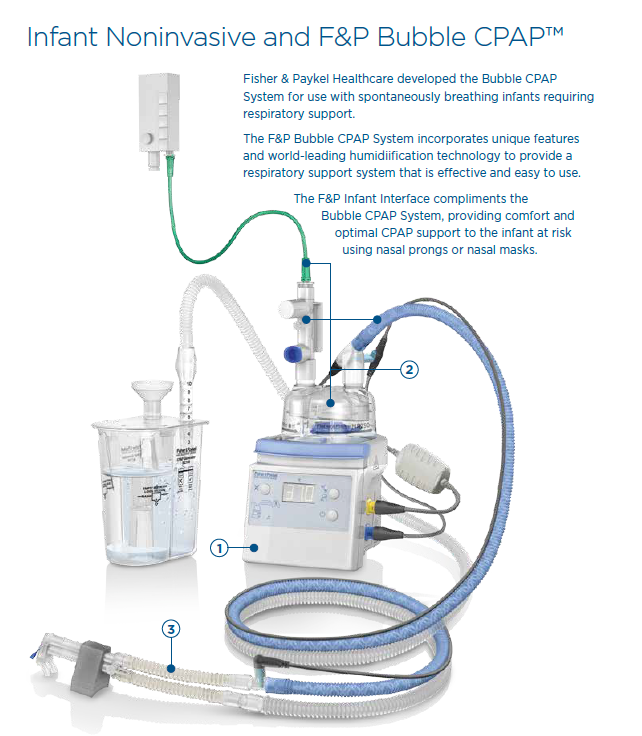
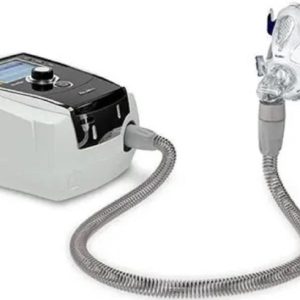
Continuous Positive Airway Pressure (CPAP) CPAP therapy is a well-established mode of noninvasive respiratory support for spontaneously breathing patients. How Does CPAP Work? CPAP therapy delivers a mixture of heated and humidified air and oxygen and generates a continuous distending pressure throughout the respiratory cycle by means of a sealed interface. Selecting an appropriately-sized interface is important for achieving an adequate seal. Short bi-nasal prongs or a nasal mask are the most commonly used types of interfaces for delivering CPAP. Bubble CPAP, a mode of CPAP therapy, may offer an additional benefit to patients in that it generates pressure oscillations which may improve gas exchange and carbon dioxide (CO2) elimination.4 An underwater seal is created by submerging the expiratory tube in a variable depth of water. Gas exiting the expiratory tube produces bubbles that then generate pressure oscillations.1 CPAP can be used in both the acute and recovery phases of respiratory distress syndrome (RDS). There are several, well-documented benefits and mechanisms of action associated with this therapy.
Reviews
There are no reviews yet.